Mumbai’s Architectural Marvels: A Journey from Colonial Grandeur to Contemporary Elegance
Mumbai, India’s financial and cultural capital, is a city where the past and present coexist in a spectacular blend of architectural styles. From the grandeur of colonial-era buildings to the sleek lines of contemporary skyscrapers, Mumbai’s skyline is a testament to its rich history and dynamic growth. Exploring Mumbai’s architectural marvels offers a fascinating journey through time, showcasing the city’s evolving identity and enduring spirit.
The Colonial Legacy
Chhatrapati Shivaji Maharaj Terminus (CSMT)
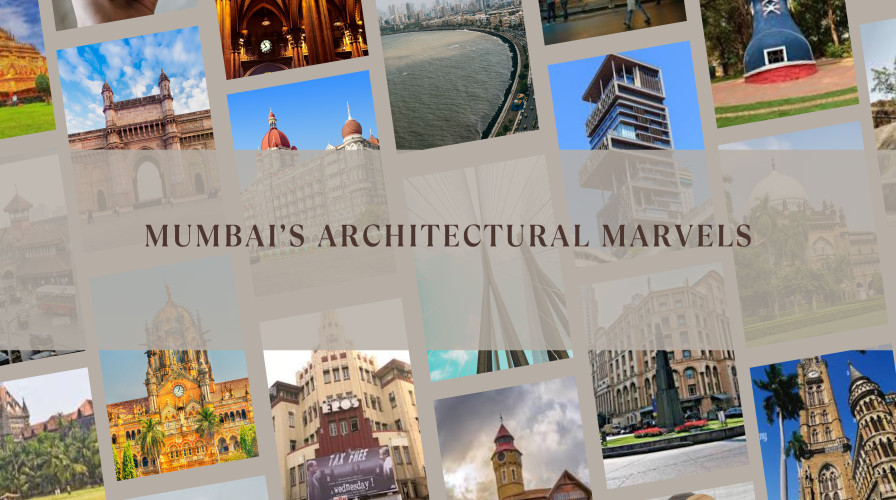
One of Mumbai’s most iconic landmarks, Chhatrapati Shivaji Maharaj Terminus, formerly known as Victoria Terminus, is a masterpiece of Victorian Gothic architecture. Completed in 1888, this UNESCO World Heritage site was designed by British architect Frederick William Stevens. The building’s intricate stone carvings, pointed arches, and turrets are a blend of Indian and Victorian Gothic styles, reflecting Mumbai’s colonial past. Today, CSMT remains a bustling railway station, symbolizing the city’s blend of historical legacy and modern functionality.
Gateway of India
Another enduring symbol of Mumbai’s colonial era is the Gateway of India. Built in 1924 to commemorate the visit of King George V and Queen Mary to India, this monumental arch is an amalgamation of Hindu and Muslim architectural styles. Located on the waterfront in Colaba, the Gateway of India serves as a popular tourist attraction and a historical reminder of the British Raj. The structure’s basalt archway, adorned with intricate designs, stands majestically against the backdrop of the Arabian Sea.
The Taj Mahal Palace Hotel
Adjacent to the Gateway of India, the Taj Mahal Palace Hotel is a blend of Islamic, Renaissance, and Victorian architecture. Opened in 1903, this luxurious hotel has hosted royalty, celebrities, and dignitaries from around the world. Its iconic dome, grand staircase, and opulent interiors are a testament to Mumbai’s grandeur during the British era. The hotel’s history and elegance continue to make it a prominent feature of the city’s architectural landscape.
Art Deco Delight
Marine Drive
Mumbai boasts the second-largest collection of Art Deco buildings in the world, after Miami. This architectural style, characterized by sleek lines, geometric shapes, and vibrant colors, flourished in the city during the 1930s and 1940s. Marine Drive, also known as the Queen’s Necklace, is a prime example of Mumbai’s Art Deco heritage. The curving boulevard, lined with stylish buildings and palm trees, offers a stunning view of the Arabian Sea, especially at sunset when the entire stretch lights up like a sparkling necklace.
Eros Cinema
Eros Cinema, located near Churchgate, is another Art Deco gem in Mumbai. Built in 1938, this iconic movie theater features a striking facade with symmetrical patterns and ornate detailing. The cinema’s elegant design and plush interiors make it a beloved landmark for movie enthusiasts and architecture aficionados alike.
Contemporary Wonders
Bandra-Worli Sea Link
A modern engineering marvel, the Bandra-Worli Sea Link is a cable-stayed bridge that connects the suburbs of Bandra and Worli. Completed in 2009, this architectural feat is a symbol of Mumbai’s rapid urbanization and technological advancement. The bridge’s sleek design and stunning views of the city skyline and the Arabian Sea make it a significant addition to Mumbai’s contemporary architectural landscape.
Antilia
Antilia, the residence of billionaire Mukesh Ambani, is one of the most talked-about contemporary structures in Mumbai. This 27-story skyscraper is known for its unique design and luxurious amenities, including multiple swimming pools, a cinema, and hanging gardens. Designed by Chicago-based architects Perkins and Will, Antilia is a testament to modern architecture and opulence, standing out amidst Mumbai’s skyline.
Hiranandani Gardens
Located in the suburb of Powai, Hiranandani Gardens is a township that showcases a blend of neoclassical and contemporary architecture. The residential towers, with their grand facades and intricate detailing, resemble European-style buildings. The township’s planned layout, lush gardens, and modern amenities reflect the shift towards integrated urban living in Mumbai.
Preserving the Past, Embracing the Future
Mumbai’s architectural landscape is a dynamic tapestry that weaves together the city’s colonial past and contemporary aspirations. Efforts to preserve heritage buildings, such as the restoration of CSMT and the conservation of Art Deco structures, ensure that the city’s historical legacy is not forgotten. At the same time, the rise of modern skyscrapers and innovative designs reflects Mumbai’s status as a global metropolis, constantly evolving and embracing the future.
In conclusion, Mumbai’s architectural marvels offer a captivating glimpse into the city’s rich history and vibrant present. From the colonial grandeur of CSMT and the Gateway of India to the contemporary elegance of the Bandra-Worli Sea Link and Antilia, each structure tells a story of Mumbai’s journey through time. As the city continues to grow and transform, its architectural heritage remains a testament to its enduring spirit and dynamic character.
Related Tag :