
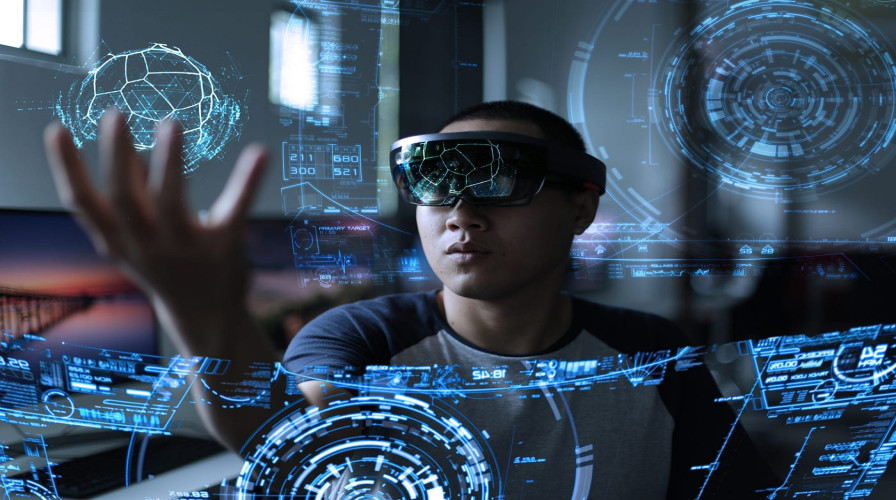
The article explores the rapidly evolving landscape of technology, highlighting advancements in AI, quantum computing, biotechnology, and renewable energy. It emphasizes the profound impact these innovations may have on society while underscoring the importance of understanding their ethical and societal implications. The narrative invites readers to contemplate the transformative potential of these technologies and prepares them for the opportunities and challenges that await in the future of technology.
Artificial Intelligence (AI) and Machine Learning: Revolutionizing Modern Computing
AI and Machine Learning have already revolutionized sectors such as healthcare, finance, and transportation. Looking ahead, future developments include predictive analytics, personalized AI assistants, and autonomous systems. These advancements raise ethical considerations and pose societal implications that accompany the widespread adoption of AI.
Internet of Things (IoT) and Smart Cities: Shaping the Future of Urban Technology
The Internet of Things (IoT) is transforming urban landscapes into smart cities by interconnecting devices that facilitate real-time data collection and analysis. This connectivity enhances the efficiency of services such as transportation, energy management, and public safety. While IoT offers innovative solutions to urban challenges, it also introduces concerns about data privacy, security vulnerabilities, and ensuring equitable access to technological advancements.
As IoT continues to advance, its influence on urban living and governance will grow, significantly impacting the development and management of smart cities worldwide. This evolution underscores the critical role of IoT in shaping the future of urban technology and its potential to create more sustainable, efficient, and inclusive cities.

Quantum Computing: Unveiling the Future of Computational Power
Quantum computing represents a groundbreaking advancement in computational power, utilizing quantum bits (qubits) to process information in ways that surpass traditional binary computing. Its potential for exponential speed increases could transform fields like cryptography, drug discovery, and complex simulations. Despite current developments pushing boundaries, challenges such as qubit coherence and scalability persist. The technology's future implications span cybersecurity, algorithmic efficiency, and fundamental physics, highlighting its transformative potential and the need to navigate its complexities as we enter a new era of computation.

Biotechnology and Healthcare Innovations: Redefining Medical Frontiers
Biotechnology and healthcare innovations are transforming medicine through advancements in genetics, bioengineering, and medical technology. These innovations enable precise diagnosis and personalized treatments based on genetic profiles. Breakthroughs in bioengineering are enhancing prosthetics, organ transplants, and tissue regeneration, promising significant improvements in patient quality of life. Technologies like CRISPR-Cas9 are revolutionizing gene editing, offering potential cures for genetic disorders. However, these advancements raise ethical concerns including genetic privacy, fair access to treatments, and the ethical implications of genetic manipulation. Navigating these complexities will be crucial as biotechnology continues to evolve, ensuring it fulfills its potential to advance global healthcare outcomes.

Renewable Energy and Sustainability: Shaping a Greener Future
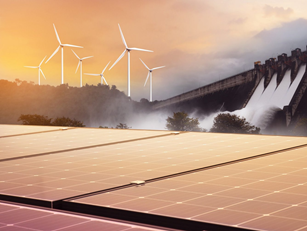
Renewable energy and sustainability initiatives are crucial for transforming energy production with minimal environmental impact. Technologies like solar, wind, and hydroelectric power are advancing to meet global energy demands sustainably, enhancing energy independence and resilience against climate change. Challenges include intermittency in renewable sources, storage optimization, and infrastructure development. Balancing technological innovation with policy and societal considerations is key to achieving a sustainable future, ensuring equitable benefits and mitigating climate change impacts globally.
Augmented And Virtual Reality: Transforming Experiences Across Industries
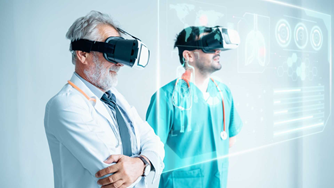
AR and VR are poised to revolutionize multiple industries by enhancing real-world interactions with digital overlays and creating immersive virtual environments. In education, AR facilitates interactive learning experiences, while VR in healthcare supports training and therapeutic applications. Both technologies improve remote collaboration and offer new ways to interact, yet face challenges like high hardware costs, complex content creation, and ethical concerns regarding privacy. As AR and VR evolve, their integration into daily life and business is expected to redefine human interaction with digital and physical environments, fostering innovation across various sectors.
Conclusion:
The future of technology is marked by unprecedented advancements across AI, quantum computing, biotechnology, renewable energy, and AR/VR. While these innovations promise efficiency gains and scientific breakthroughs, they also pose significant ethical and societal challenges. Issues such as privacy in AI, scalability in quantum computing, ethical dilemmas in biotechnology, and the balance of renewable energy goals underscore the need for careful navigation and collaboration across disciplines.
Moving forward, embracing these technologies requires a commitment to inclusivity, sustainability, and ethical responsibility. By addressing these complexities thoughtfully and proactively, we can harness technology's potential to foster innovation while ensuring it benefits all of humanity equitably. Staying informed, adaptable, and conscientious will be key to steering the future of technology towards a positive and sustainable outcome for our global society.
Related Tag :