
Maharashtra's Sugar Production Forecasted to Decline by 7% in 2024-25

*Projected Decline Due to Rain Deficits*
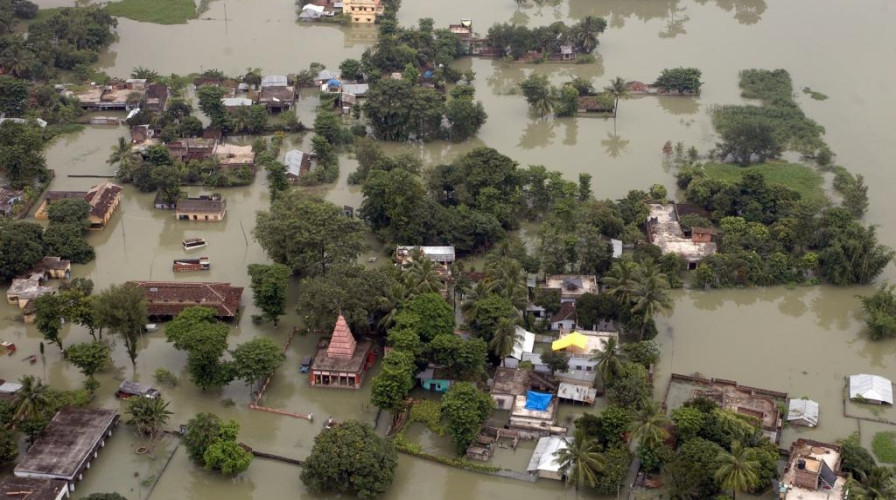
Maharashtra, which produces over a third of India's sugar, is facing a significant reduction in its sugar production for the 2024-25 crop year. The state is expected to see a 7% drop, with production projected to fall from 110 lakh metric tons in 2023-24 to approximately 102 lakh metric tons this year. This decline is primarily attributed to a deficit in rainfall during the last monsoon, which has adversely affected sugarcane yields.
*Impact on Food Inflation and Exports*
The anticipated decrease in sugar production may lead to increased food inflation and could hinder India's sugar exports. The Ministry of Cooperation recently presented these estimates during a meeting with Deputy Chief Minister Ajit Pawar.
*Delayed Crushing Season*
The start of the 2024-25 sugar crushing season in Maharashtra has been delayed and is expected to begin after November 15. This delay is due to reduced sugarcane availability and the upcoming state assembly elections. Officials estimate that around 1,004 lakh metric tons of sugarcane will be ready for crushing from 11.67 lakh hectares.
*Historical Context and Regional Challenges
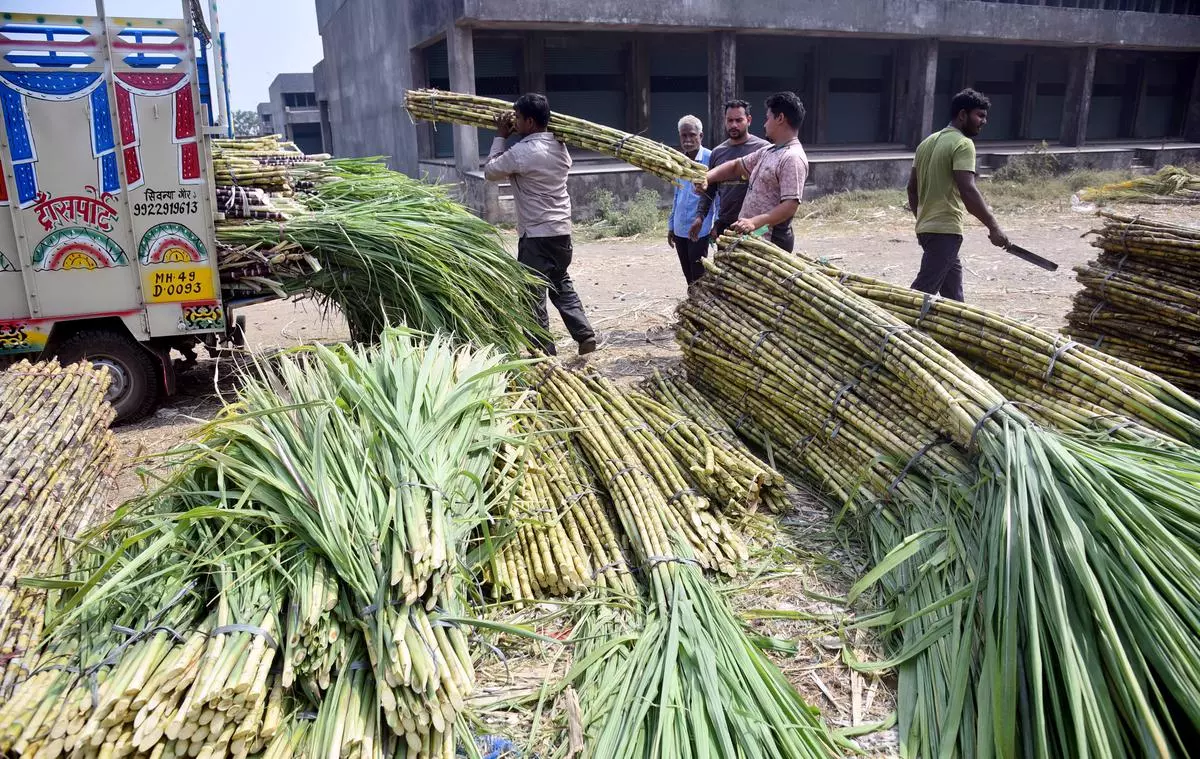
Last year, 208 sugar factories in Maharashtra processed 1,076 lakh tons of sugarcane, achieving a production of 110.2 lakh tons—the highest in the country. This year, however, many districts in Marathwada, including Latur, Osmanabad, and Beed, experienced below-average rainfall, leading to a reduction in the area under cultivation. The overall area decreased from 14.37 lakh hectares to 11.67 lakh hectares. This water stress has also lowered the recovery rate of sugar production per ton of crushed cane, with estimates predicting a drop to 9.95%.
*Discrepancies in Estimates*
In 2022-23, Maharashtra recorded its highest sugar production at 128 lakh tons. However, Vithal Pawar, the national president of the Sharad Joshi Vichar Manch Shetkari Sanghatana, has expressed skepticism regarding the cooperation department's estimates. He argues that these projections are misleading and intended to exploit farmers by suggesting lower production and recovery rates. Last year's estimates were similarly conservative, predicting only 95 lakh tons, while actual production exceeded 110 lakh tons.
As the state grapples with these challenges, the impact on both local farmers and the broader economy remains to be seen.
Related Tag :